
"Pacas coffee"
2000 article(s) found

The origin, development, history and culture of El Salvador Pacamara boutique coffee beans with fruity and rich aromas
Pacamara is the artificial breeding variety of Pacas and Maragogipe. It was first cultivated by researchers in El Salvador in 1958. Pacamara is an excellent variety under rare artificial breeding, which is better than blue, and perfectly inherits the advantages of the mother plant. It not only has the excellent taste of Pacas, but also inherits the large size of Maragogipe, and the bean body is at least like beans.
A brief introduction to the market price of El Salvador Pacamara boutique coffee beans with lively and tricky sour taste
Pacamara is the artificial breeding variety of Pacas and Maragogipe. It was first cultivated by researchers in El Salvador in 1958. Pacamara is an excellent variety under rare artificial breeding, which is better than blue, and perfectly inherits the advantages of the mother plant. It not only has the excellent taste of Pacas, but also inherits the large size of Maragogipe, and the bean body is at least like beans.
Honduras Ecuador Small Farmer Coffee Quality How about St. Vincent washed Pacas Flavor Introduction
Origin: Santa Barbara Producer: Edgardo Tinoco Smallholder treatment: Beneficio San Vicente Altitude:1500m Variety: Pacas Treatment: Wash Grade:SHG Honduras is located in Central America, mostly high mountains and deep valleys, with excellent rings for growing coffee trees

Pacamara, a variety bred by Pacas and elephant bean
The Pacamara was bred with Pacas and elephant beans until it surprised people to participate in the extraordinary Cup in 2004. Pacamara low yield, large beans, not easy to wash and bake, high viscosity, fat feeling is obviously the biggest feature of Pacamara, acid domineering, so that many people can not adapt, sweet similar to the creamy taste of biscuits, the overall flavor is changeable, the amplitude is wide. although
How much water do 15g flush? How to wash the country with water from Pacas Manor, the 17th lover in COE, Honduras?
Professional coffee knowledge exchange more coffee bean information please follow the coffee workshop (Wechat official account cafe_style) 15g how much water? How to rush the 17th Valentine Manor Pacas Manor in Honduras for international bidding batch? (Honduras Santa Brbara Don Juan Pacas Washed 2017 COE#17) Flavor description: citrus, BlackBerry, Honey
Honduras El Plan Coffee Story Pacas Coffee Variety what kind of coffee do you grow in Honduras
For more information about coffee beans, please follow the Coffee Workshop (Wechat official account cafe_style) Farmer: Robert Figueroa Farm: El Plan area: Santa Barbara's El Cedral process: washed varieties: pacas Robert's story is full of resilience and family support. From a poor background, Robert's current reality supervises three incomparable
Pacamara made its debut on COE in El Salvador in 2005 and was planted in many places later.
For more information on coffee beans, please follow the coffee workshop (Wechat official account cafe_style) Pacamara first went blind on COE in El Salvador in 2005, when more manors competed with this bean seed than ever before, but the quality was outstanding. The emergence of high-quality new beans broadens people's horizons of coffee, but also confuses the judges.
Introduction to the Story of Coffee Finca Don Juan Manor in Montecillos production area of Honduras
Professional coffee knowledge exchange more coffee bean information please follow the coffee workshop (Wechat official account cafe_style) product name: 2017 Honduras COE 17th love saint manor Pacas seed washing international bidding lot (Honduras Santa Brbara Don Juan Pacas Washed 2017 COE#17) introduction: this batch is 2017 Honduras (COE)

Flavor description of El Qomolangma Coffee introduction to the regional treatment of taste varieties
Pacamara is the artificial breeding variety of Pacas and Maragogipe. It was first cultivated by researchers in El Salvador in 1958. Pacamara is an excellent variety under rare artificial breeding, which is better than blue, and perfectly inherits the advantages of the mother plant. It not only has the excellent taste of Pacas, but also inherits the large size of Maragogipe, and the bean body is at least like beans.
A brief introduction to the History and Culture of the Origin and Development of El Salvador Pacamara Fine Coffee beans
El Salvador boutique coffee is concentrated in the volcanic rock producing areas of Santa Ana in the west and Charantanan fruit in the northwest. In recent years, the top 10 cup tests are almost entirely from these two producing areas, with an altitude of about 9-1500 meters, mainly bourbon (68%). Followed by Pacas (29%), mixed-race Pakamara, Dulaai and Kaddura accounted for only 3%. The coffee harvest season has been held since November.
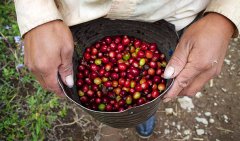
Introduction of a new variety developed in Honduras-Urguado small farmer Pacas+IH90 coffee from St. Vincent's processing plant
For the exchange of professional baristas, please follow the coffee workshop (Wechat official account cafe_style) Product name: Ecuadorian small Farmer Pacas + IH90 Variety washing (Honduras San Vicente Edgardo Tinoco Pacas + IH90) production area: Santa Barbara (Santa Barbara) Pena Blanca Town processing Plant: St. Vincent treatment
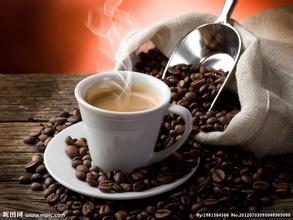
Salvador Mercedes Estate Coffee Flavor Description Grind Treatment Method Taste Introduction
The chaos caused by the civil war affected economic development, but ironically allowed the ancient coffee species to remain. The situation was too chaotic for Salvadoran coffee farmers to catch up with the trend of coffee variety renewal in Central and South America. El Salvador produces 100% Arabica coffee, of which 68% is Bourbon (Coffea arabica var. bourbon), 29% Pacas, the rest

A brief introduction to the description of flavor, taste and aroma characteristics of El Salvador Pacamara boutique coffee beans with balanced taste
El Salvador boutique coffee is concentrated in the volcanic rock producing areas of Santa Ana in the west and Charantanan fruit in the northwest. The top 10 cup tests in recent years almost all come from these two producing areas, with an altitude of about 90-1500 meters above sea level, mainly bourbon (68%). Followed by Pacas (29%), mixed-race Pakamara, Dulaai and Kaddura accounted for only 3%. The coffee harvest season lasts from November

Grinding scale of Salvadoran coffee beans introduction to the taste manor of the regional treatment method of coffee beans in El Salvador
El Salvador boutique coffee is concentrated in the volcanic rock producing areas of Santa Ana in the west and Charantanan fruit in the northwest. The top 10 cup tests in recent years almost all come from these two producing areas, with an elevation of about 9-1500 meters, mainly bourbon (68%), followed by Pacas (29%). Mixed-race Pacamara, Dulaai and Kaddura only account for Pacas and Mara.
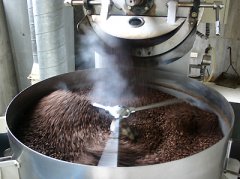
A brief introduction to the history and culture of the origin and development of El Salvador Pacamara boutique coffee beans with balanced taste
El Salvador boutique coffee is concentrated in the volcanic rock producing areas of Santa Ana in the west and Charantanan fruit in the northwest. The top 10 cup tests in recent years almost all come from these two producing areas, with an altitude of about 90-1500 meters above sea level, mainly bourbon (68%). Followed by Pacas (29%), mixed-race Pakamara, Dulaai and Kaddura accounted for only 3%. The coffee harvest season lasts from November

The cultivation of El Salvador Pacamara boutique coffee beans, geographical location, climate, altitude
El Salvador's unique high-grade variety Pacamara, Pacamara is a sudden variation of the bourbon species found by Pacas Pacas- in El Salvador and a hybrid with the giant bean Maragogype, a sudden variant of the Tibica species found in Brazil. The interesting thing about Christmas farm coffee is that its refining method is secret, using minerals.
A brief introduction to the treatment method of grinding degree and baking degree of El Qomolangma coffee beans with excellent balance
The civil war caused chaos and affected economic development, but ironically allowed the ancient coffee to be preserved, and the situation was so chaotic that coffee producers in El Salvador failed to catch up with the renewal of coffee varieties in Central and South America. El Salvador produces 100% Arabica coffee, of which 68% is Bourbon, Coffea arabica var. Bourbon), 29% Pacas, the rest
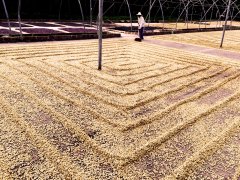
Bourbon characteristics of the History of Coffee cultivation in El Salvador, the birthplace of Pacas Pacamara Coffee beans
Position in the world as a coffee exporter (19gam20): sacks exported annually on the 19th (60kg) (19gam20): about 546000 percentage of the world coffee market: less than 1 per cent of other major agricultural exports: typical varieties of sugar, corn, rice, beans: bourbon, Pacas, Pacamara, Kaddura and Katuai major coffee producing areas
What are the advantages and disadvantages of Guatemalan coffee? Why is it so popular?
Communication of professional baristas Pacamara Coffee, a gift from the coffee workshop (official Wechat account cafe_style), is a hybrid of Pacas Pacas (a sudden variant of the bourbon species) and giant bean Maragogype (elephant bean) found in El Salvador in the 1950s. The origin of the name Maragogype and the first four letters of Pacas Pacas are combined into Pacamara. Paka

Taste balanced Salvador Pacamara Fine coffee beans Growing conditions Location Climate Elevation
The interesting thing about Christmas Farm coffee is that it is refined in secret, using mineral rich hot spring water to process green coffee beans. This farm is located in fertile volcanic soil and has abundant natural hot spring water, so all of this natural hot spring water is used when processing raw beans; there are many farms growing coffee in the world, but this method is still used.